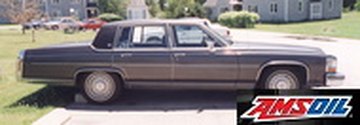
Lubrication Maintenance for the 1982 Cadillac FLEETWOOD 5.7L Diesel
Maintaining a diesel engine requires a disciplined approach to fluid management and regular inspections. For the 1982 Cadillac FLEETWOOD equipped with the 5.7L diesel engine, consistent attention to lubrication and cooling systems is essential for long-term operational stability. Because diesel engines operate under different thermal and mechanical stresses than gasoline counterparts, following a structured maintenance routine helps ensure that all components remain properly lubricated and protected from unnecessary wear.
Monitoring Fluid Integrity and Condition
One of the most effective ways to monitor the health of the 5.7L engine is through regular observation of its fluids. Rather than relying solely on scheduled intervals, an owner can gain significant insight by checking the condition of the oil during routine inspections. When examining the lubricant, look for any changes in color or consistency that might deviate from the expected appearance. For instance, a sudden change in the texture of the oil could indicate the presence of contaminants.
In addition to the engine oil, it is prudent to inspect other vital fluids. If equipped, checking the condition of the coolant can prevent overheating issues, which are particularly critical for diesel engines. Any signs of discoloration or debris within the cooling system should be investigated promptly. Furthermore, observing the area around the engine for any evidence of fluid seepage or leakage can help identify aging gaskets or seals before they lead to more significant issues. Identifying a small seep early is much simpler than addressing a major leak that could result in sudden fluid loss.
Observing Potential Warning Signs
While many maintenance tasks are proactive, being able to recognize symptoms of potential trouble can prevent unexpected downtime. If you notice unusual mechanical noises while the engine is running, this warrants a closer inspection. Such sounds can be associated with various factors, ranging from loose components to lubrication deficiencies. Similarly, any changes in how the vehicle operates—such as shifts in smoothness or responsiveness—should be noted and investigated.
Exhaust observations can also serve as a diagnostic starting point. While different exhaust characteristics can have many causes, any sudden or persistent change in smoke color or volume may indicate that an underlying system requires attention. It is important to remember that a single symptom does not provide a definitive diagnosis; rather, it serves as a signal to perform a more thorough inspection of the engine and its supporting systems. If warning lights or indicators appear on the dashboard, they should be treated with immediate priority to determine the source of the alert.
Prioritizing Long-Term Engine Care
As vehicles age, maintenance strategies often shift from simple part replacement to a more comprehensive condition-based approach. For an owner of a 1982 Cadillac FLEETWOOD, establishing a clear maintenance baseline is highly beneficial, especially if the full service history of the vehicle is not readily available. By documenting every oil change, filter replacement, and fluid service, you create a reliable record that helps distinguish between routine upkeep and emerging issues.
When managing an older engine, it is wise to prioritize tasks based on current mechanical condition rather than just chronological age. This means addressing active leaks or signs of component wear as they appear, while also staying ahead of preventive maintenance. Reviewing previous repair records can help identify if certain components have been serviced recently or if there are recurring areas that require more frequent monitoring. A well-documented history allows for more informed decision-making regarding whether to perform preventive maintenance or to wait until a component shows clear signs of needing service.
Inspecting Aging Components and Connections
Over time, the materials used in an engine compartment can undergo changes due to heat cycles and age. When performing routine service, it is helpful to inspect accessible parts for signs of deterioration. This includes checking hoses, if present, for any evidence of cracking, softening, or bulging. Similarly, if the vehicle is equipped with various drive belts, inspecting them for glazing, fraying, or cracks can help prevent a failure that could interrupt engine operation.
Electrical integrity is another important factor in long-term maintenance. Inspecting wiring and electrical connectors for signs of corrosion or loose connections can prevent intermittent issues. Additionally, ensuring that the air filtration system is clean and free of debris is vital for maintaining proper airflow to the engine. By combining these visual inspections with regular fluid checks, an owner can maintain a much clearer picture of the vehicle's overall mechanical state.
Effective Maintenance Record Keeping
The most successful approach to long-term ownership involves more than just mechanical work; it requires organized information management. Keeping a dedicated log of all maintenance performed on the 5.7L diesel engine provides immense value. This log should include the date of service, the specific products used (such as oil brands and filter part numbers), and any observations made during inspections.
Having these records allows you to identify patterns. For example, if you notice that fluid levels are being replenished more frequently than in previous months, your records will help you pinpoint exactly when that change occurred. This level of detail is invaluable when discussing potential repairs with a technician or when evaluating the vehicle's overall maintenance needs. A consistent history of care is often the best indicator of an engine's continued reliability.
Practical Guidance for BUYING ENGINE OIL for your 1982 Cadillac FLEETWOOD 5.7L
When it is time to replenish the lubrication in your engine, accuracy in selection is paramount. To ensure the engine receives the correct protection, you must match the lubricant to the specific requirements of your application. Do not rely on general automotive knowledge or assumptions based on the vehicle's age to select a grade.
Instead, refer directly to the application-specific oil viscosity and information provided on this webpage. When you are ready to purchase, verify that the product labeling matches these specifications exactly. You may consider different formulations, such as conventional, synthetic blends, or full synthetic oils, depending on what is appropriate for your specific needs and the information displayed here. Additionally, if you are managing an engine with higher mileage, you might look into high-mileage formulations that contain additives intended for aging engines. Always prioritize the specific viscosity and service requirements listed in the application data above to ensure the best possible care for your 5.7L diesel engine.